Should You Get Paint Correction Before Winter in Nanaimo?
By Detail Boss · October 28, 2026
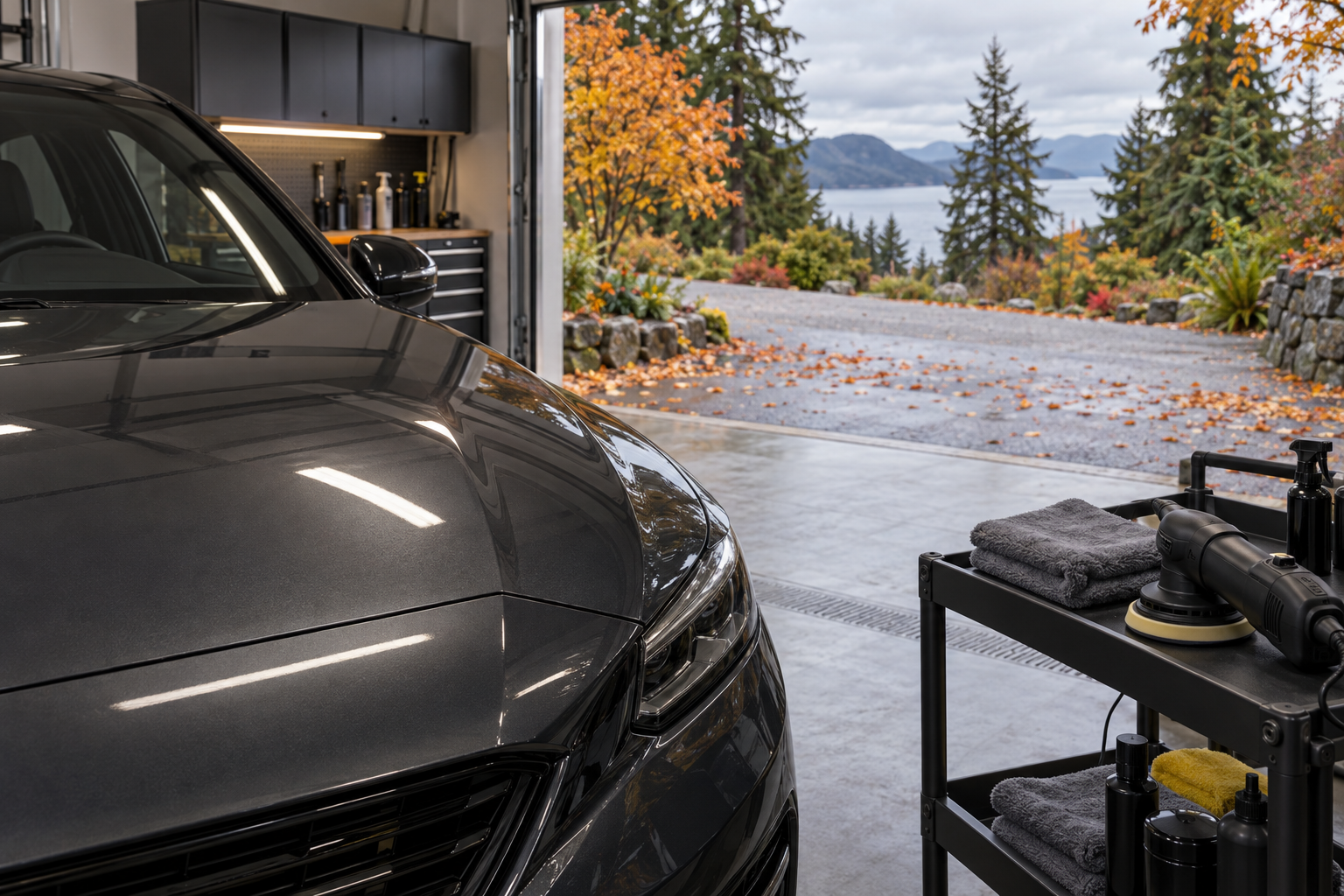
Autumn can be a sensible time for paint correction in Nanaimo if your car has visible swirls or dullness, its paint is suitable for polishing, and you can arrange appropriate working conditions and aftercare. The season alone is not a reason to compound a healthy finish. Start with a proper wash and assessment, then choose the lightest correction that meets your goals.
For a Vancouver Island daily driver heading into the wetter part of the year, the useful question is whether improving the finish now fits how you use and maintain the car. This guide concerns typical autumn planning, not today's forecast. It separates polishing decisions from routine cleaning and protection so you can request a realistic service.
What paint correction can change
Paint correction uses abrasive polishing to improve defects in a suitable painted finish. Fine wash swirls, some light scratches and certain areas of dullness may respond to it. It does not replace missing paint or repair a panel with peeling clear coat. A mark that looks minor in a phone photograph can still require an in-person inspection.
Meguiar's describes its Ultimate Compound as an abrasive product intended to address defects including swirls and oxidation on suitable glossy finishes. That illustrates why product choice and surface condition matter; it is not a recommendation to compound every vehicle. Matte finishes, wraps and paint protection film require their own care methods.
Why consider it before winter?
If swirls already bother you after each wash, correcting suitable paint in autumn lets you enjoy the improvement now. It can also be an opportunity to discuss a protection plan for the freshly prepared surface. Detail Boss offers paint correction in Nanaimo, including polishing options, and ceramic coating services. The appropriate combination depends on the vehicle rather than the month.
There is no need to wait for a particular calendar date if assessment supports the work and suitable conditions are available. Equally, a clean finish with only a few marks you barely notice may not justify correction. A wash and appropriate protection can be the more useful autumn appointment when appearance is already satisfactory.
When waiting may be the better choice
Consider postponing cosmetic polishing if bodywork is planned, a recently repainted panel still needs the repairer's guidance, or you cannot accommodate the chosen protection's aftercare. Tell the detailer about any previous repairs and coatings. Do not assume all panels have the same history because they are the same colour.
Also consider your own expectations. If the car regularly travels through brush, is cleaned with harsh brushes or receives hurried dry wipe-downs, address those habits first. Polishing does not make future washing damage impossible. A practical finish that you can maintain may be a better goal than chasing every remaining mark.
Wash, dry and assess before choosing a polishing package
Separate dirt from defects
Road film and residue can hide the condition of the paint. Have the exterior cleaned appropriately, then inspect dry panels under useful lighting. A change in gloss after washing does not automatically mean the paint needs a heavier compound. For a specific leaf outline, start with our wet-leaf removal guide before treating the area as a polishing problem.
Agree on a test area and a realistic target
Ask how the proposed process will be assessed on a representative area before extending it across the car. Discuss which defects are likely to improve and which should remain. Correction removes material from the finish, so repeatedly pursuing a deep isolated scratch is a different decision from improving light wash swirls over a bonnet.
Clear communication matters more than a promised percentage. Explain whether your priority is better overall gloss, fewer visible swirls or assessment of one particular panel. A service should be scoped around those goals and the condition of the finish. No sensible plan can promise that every defect will disappear.
One-step or multi-step correction?
A one-step polish may suit a vehicle whose main concern is light swirling or a modest improvement in clarity. A multi-step process may combine a more corrective stage with a refining stage when the paint and defects warrant it. More stages are not automatically better: the useful choice is the process that delivers an acceptable improvement without unnecessary abrasion.
Detail Boss's catalogue includes a Gold Luxury Exterior Detail with a one-step polish, as well as separate polishing services. Ask for a vehicle-specific quote and explain the paint concerns rather than selecting by a stage count alone. Existing coatings, panel repairs, finish type and the desired result can all affect the scope.
Plan the working conditions and the journey home
When enquiring about a mobile appointment, describe the parking space, access and available shelter. Ask what conditions the agreed work needs and how a change in weather would be handled. An open driveway and a sheltered work area offer different conditions; confirm suitability instead of assuming every service can be completed anywhere.
If protection will follow polishing, ask for its exact aftercare before arranging collection or your next journey. Products have different application and curing requirements. There is no single waiting period that applies to every wax, sealant and ceramic coating. The instructions for the product actually applied should guide washing and water exposure.
A short checklist before requesting a quote
- Identify your vehicle and the panels that concern you.
- Mention known repainting, previous polishing, wraps or existing coatings.
- Photograph clean, dry paint in useful light without filters.
- State whether you want overall gloss improvement or help with a particular defect.
- Describe the work location and shelter if requesting mobile service.
- Ask about protection, aftercare and realistic limits alongside the correction itself.
Keep the improvement through autumn
After the specified aftercare period, use a gentle, regular wash routine with suitable products and clean tools. Avoid wiping gritty paint dry, and keep wheel-cleaning tools separate from painted panels. Remove accessible debris carefully rather than brushing piles across the bonnet. Protection supports maintenance, but it does not replace careful handling.
If a ceramic coating is part of your plan, our rainy-season coating care guide explains the ongoing washing routine. Check the finish after cleaning rather than judging it through a layer of road film or assuming every change in water behaviour means correction is needed again.
Frequently asked questions
Will autumn rain undo paint correction?
Rain does not reverse the polishing process. New contamination and careless cleaning can affect appearance afterwards, and freshly applied protection may have specific water-exposure instructions. Follow those instructions and continue suitable maintenance.
Do I need paint correction every autumn?
No. Assess the condition rather than putting abrasive polishing on an annual calendar. A vehicle that still looks good may only need cleaning and appropriate maintenance of its protection.
Can a coating hide deep scratches instead?
Do not book a coating expecting it to repair deep scratches or missing paint. Discuss defects before application so the preparation and acceptable remaining marks are understood.
Can I request just an assessment first?
Yes. Describe what you see and ask which service is appropriate. Photos can help explain the concern, but final recommendations may depend on inspecting the finish.
Discuss your autumn paint-care plan
Request a quote from Detail Boss with your vehicle details, paint concerns and preferred location. We can discuss whether cleaning, a one-step polish or a more involved assessment is the useful next step before winter.